Readings
The Latest
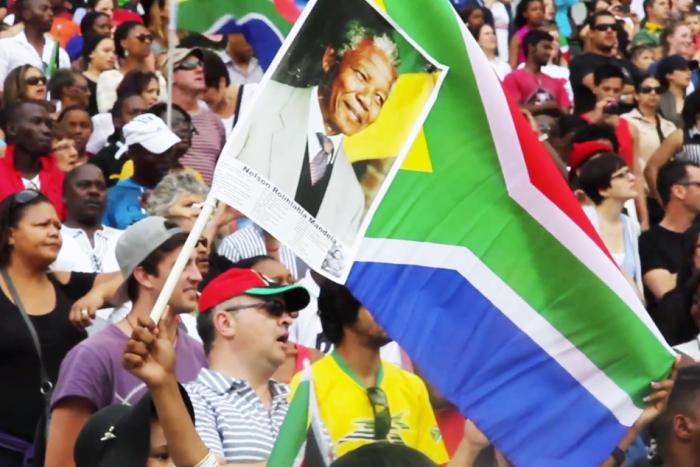
How do you mourn a man like Mandela? The news crews and somber dignitaries did it one way; the locals—dancing, singing, selling memorabilia—did it quite another.
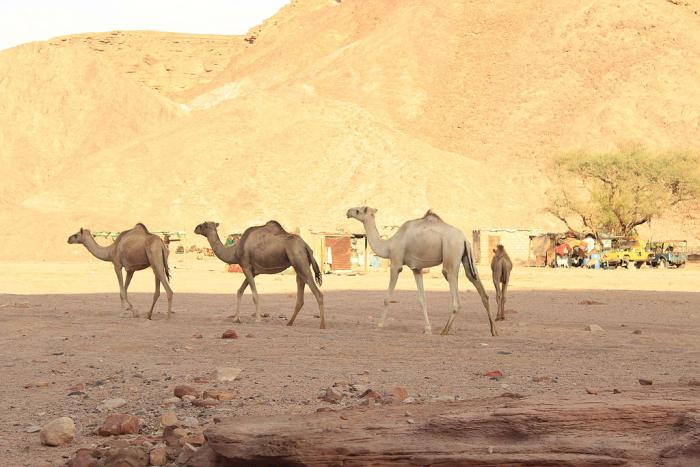
The American novelist and war correspondent talks about his gripping new book, Lawrence in Arabia, and situates the much mythologized British leader of the Arab Revolt in the broader context of World War I, and the dark, often duplicitous maneuvers on its Eastern Front.
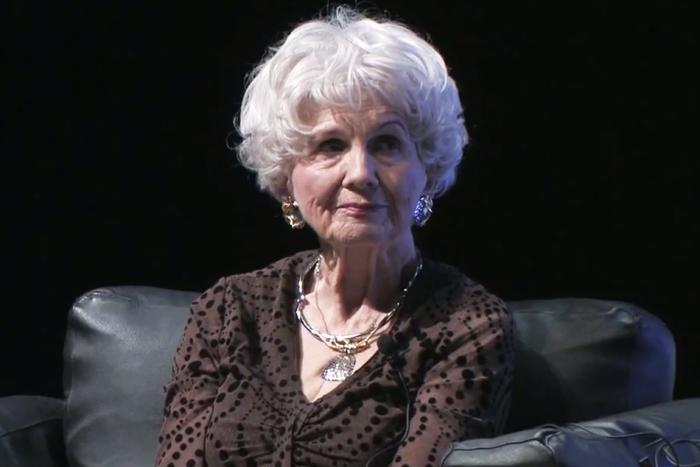
She has an undeniable body of work, first-name-only recognition status, and now a Nobel Prize. Why is it so hard to love or hate Alice Munro’s writing in intellectual terms rather than personal ones?
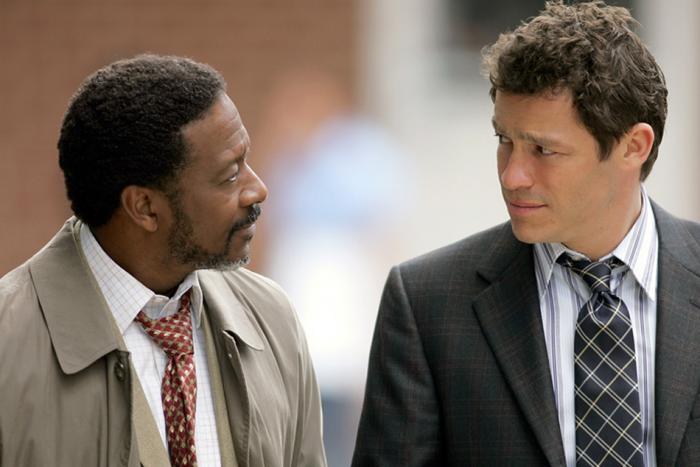
There’s a great tradition, from Poe to The Wire, of the crime drama that forgets it's a crime drama—and concerns itself, instead, with the minutiae of its characters’ lives. The author’s favourite book of 2013, Keith Ridgway’s Hawthorn & Child, is a model of the genre.
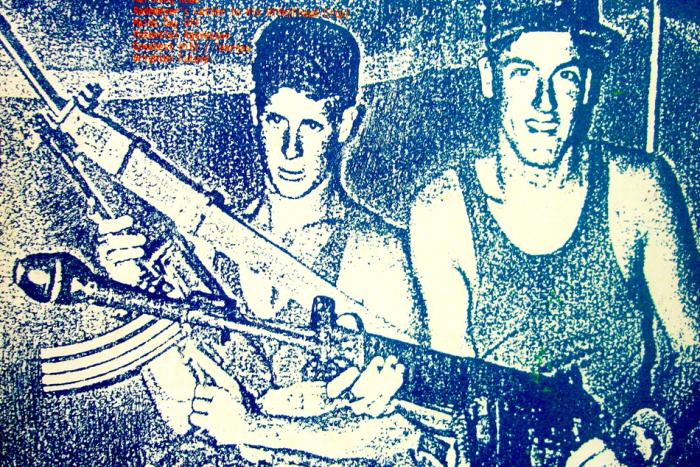
While Nelson Mandela sat in prison, cultural authorities in South Africa clamped down on “subversive” music, banning albums and raiding gigs. Warrick Sony’s Kalahari Surfers, however, found a way through.
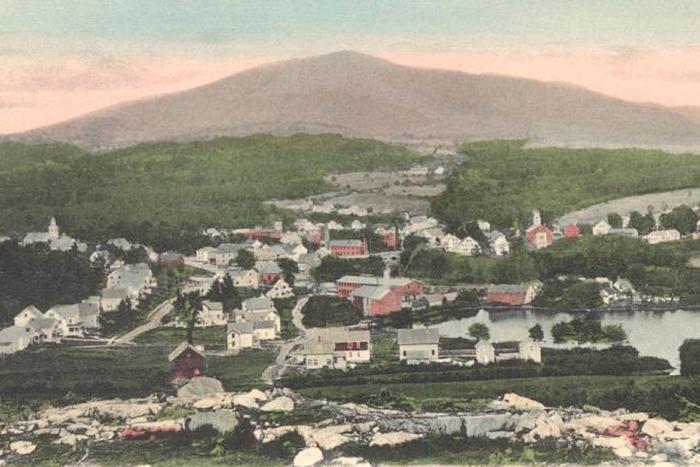
To those deemed worthy, six weeks at the MacDowell Colony bring new work, friendships, and great meals. Compare this to the Canadian model, in which artists (even emerging ones) receive just enough to live on from governments. Which way works best?
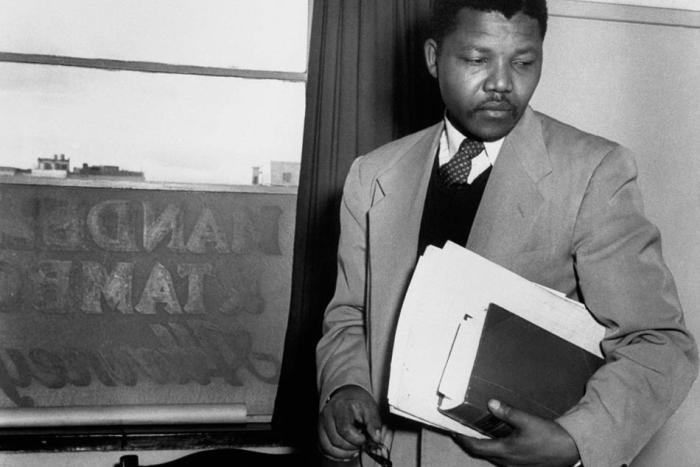
A draft from the unpublished sequel to Nelson Mandela’s autobiography, excerpted from Conversations with Myself, a collection of letters, notes, and journal entries.
Most Popular