
Congratulations to all the nominees!
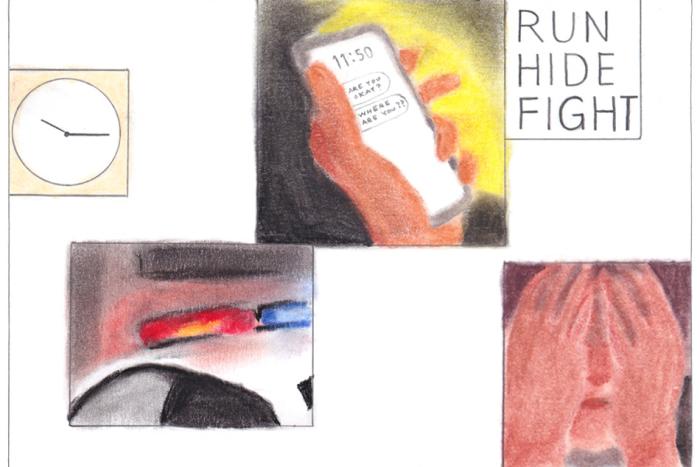
What does a campus shooting feel like?
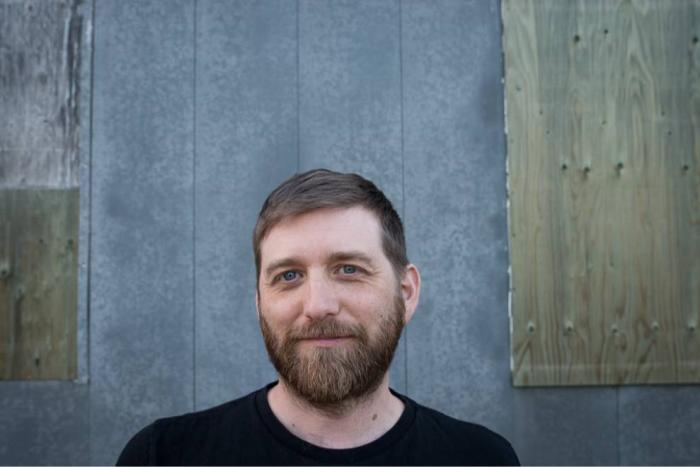
People love John Samson Fellows’s music. He doesn’t want to make it anymore.
Latest
Congratulations to all the nominees!
People love John Samson Fellows’s music. He doesn’t want to make it anymore.

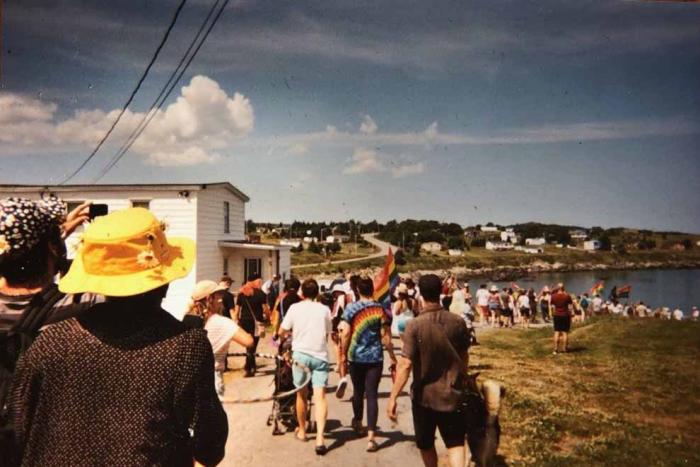
When Wanda bought the house, she didn’t imagine that anyone in the community would recognize that she and Lynn were queer.


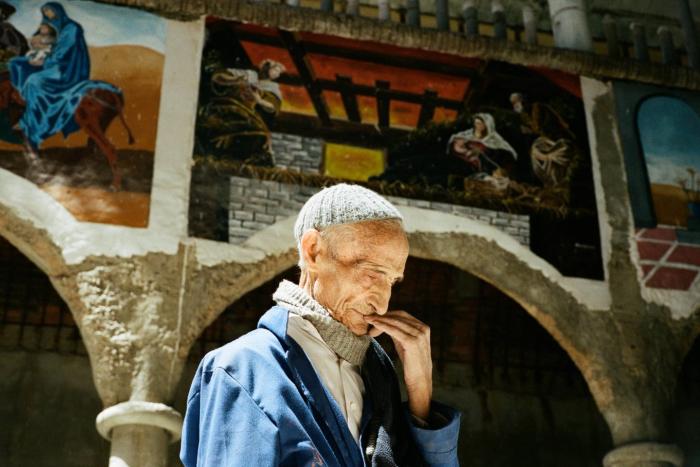
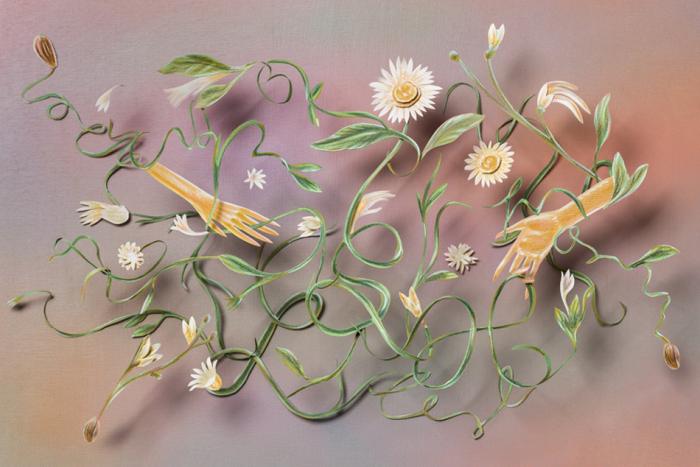
My name is someone's past and my present and I'm not sure about the future.

Talking to the author of The Renunciations about structuring a book of poetry, living with myths, and caring for yourself and others when writing about trauma.
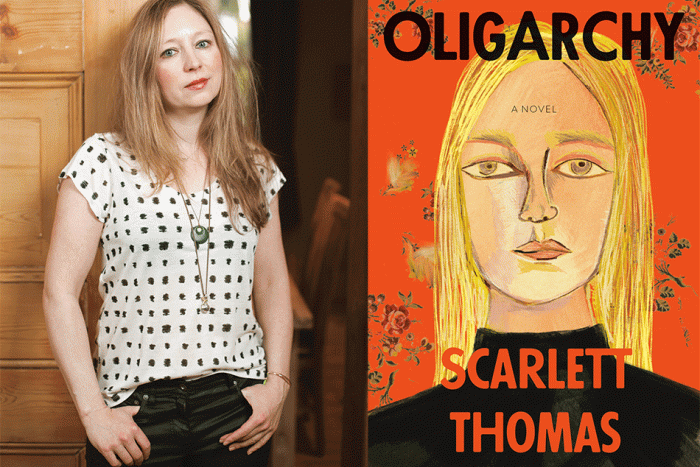
The author of Oligarchy on teenaged girls, hierarchies within hierarchies, and the great confidence tricks of capitalism.
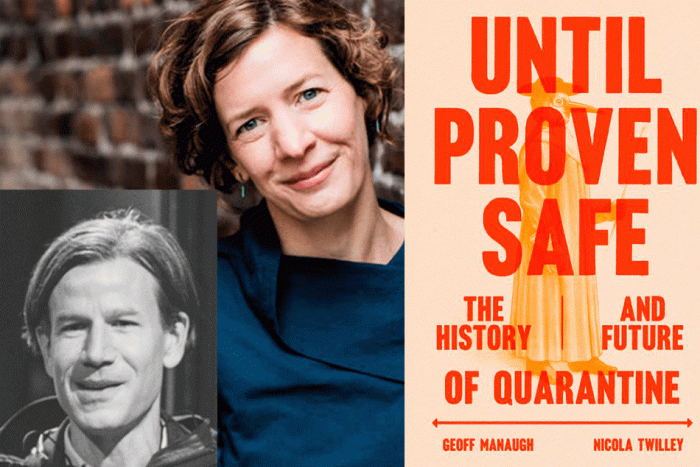
The authors of Until Proven Safe on the ongoing pandemic, the history of quarantine, and our existential precarity.
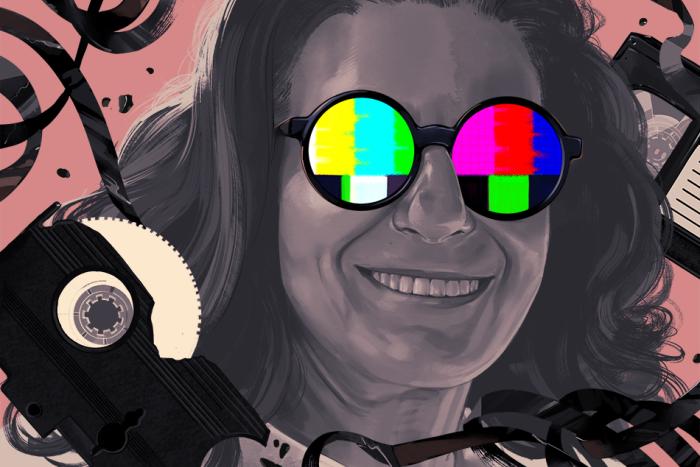
What does it take to preserve an independent filmmaker's oeuvre?