Books
The Latest
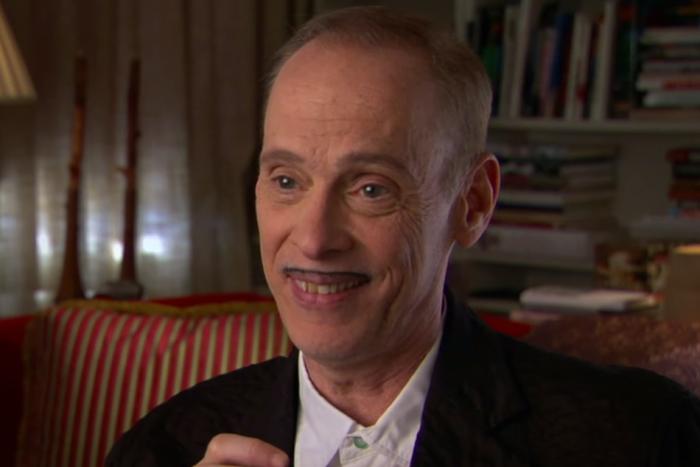
John Waters can’t get a film financed, but he’s been making a good living as a “John Waters impersonator.” His latest book, Carsick, gives just a hint of who else he might be.
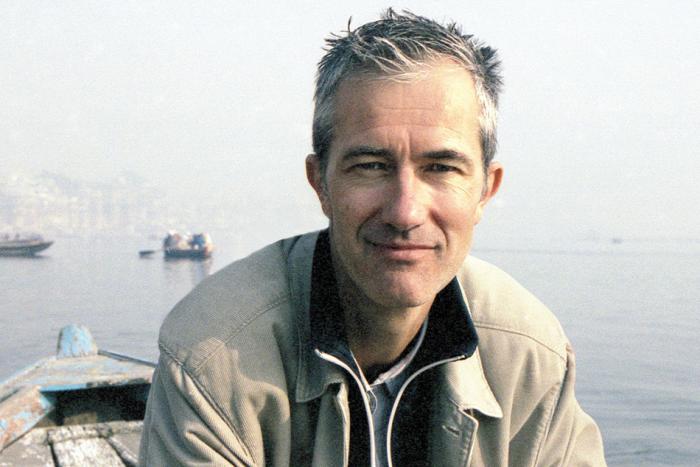
Whether writing fiction, non-fiction, or something in between, Dyer manages to make the implausible possible. A few recent releases—two reissued novels and a new work of journalism—show the author at three distinct yet complementary apexes.
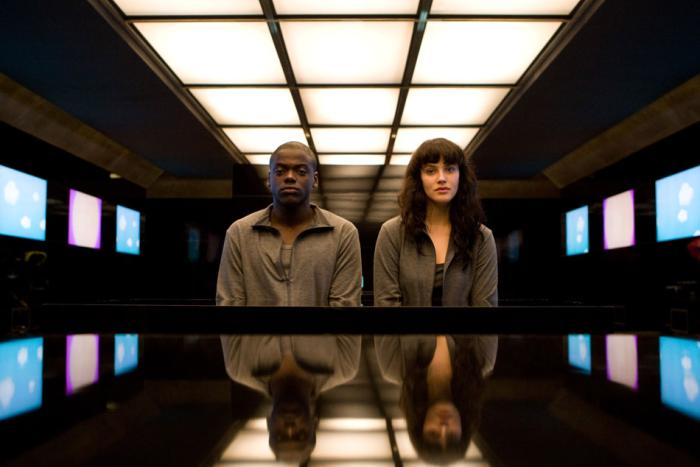
Writers hoping to transport readers only a short distance into the future are in danger of being outfutured by reality itself. So-called “design fiction” may present creators with a more viable alternative.
It begins with an apology to Alice Munro and a blessing from the author in whose name he spoke last night. In the 2014 Margaret Laurence Lecture, Guy Vanderhaeghe describes the unlikely journey he took to become a writer.
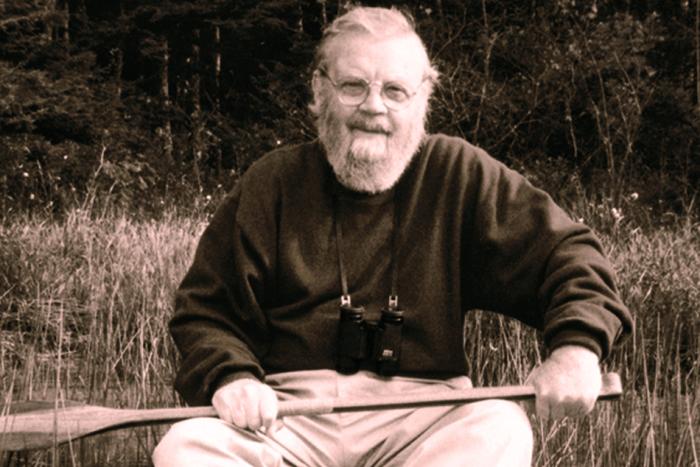
Farley Mowat’s books represented the Canada that actually was: utterly unique in its crimes and triumphs alike, wilder than its modern reputation allows—a country we’ve turned away from, in literature and otherwise.
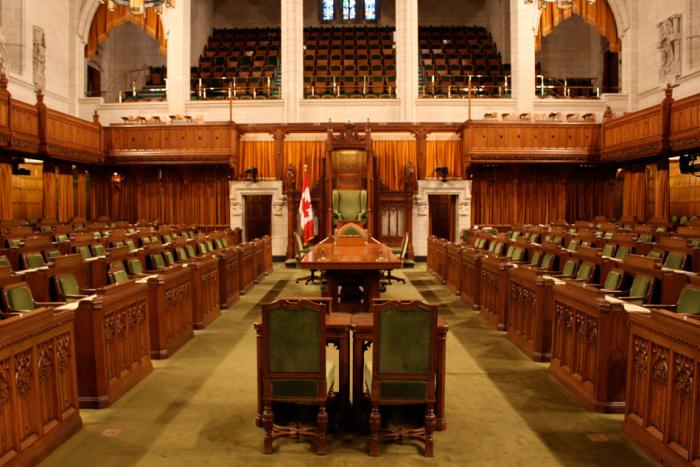
Alison Loat and Michael MacMillan’s Tragedy in the Commons depicts a parliamentary system in active decay—one that, like so many Canadian failures, will have its defenders until the bitter end, no matter the consequences.
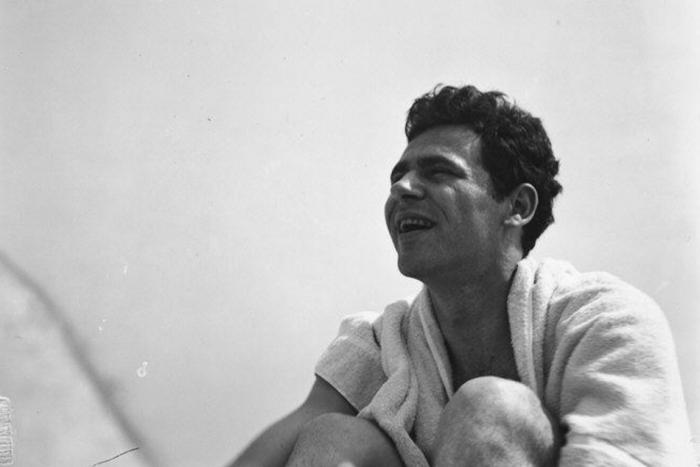
The fullness of Agee’s character, searching and self-punishing, is hard to glean from a single work; his newly reprinted letters to Father Flye, capturing the author throughout his life and at his most untethered, bring us closer than anything else.
Most Popular