
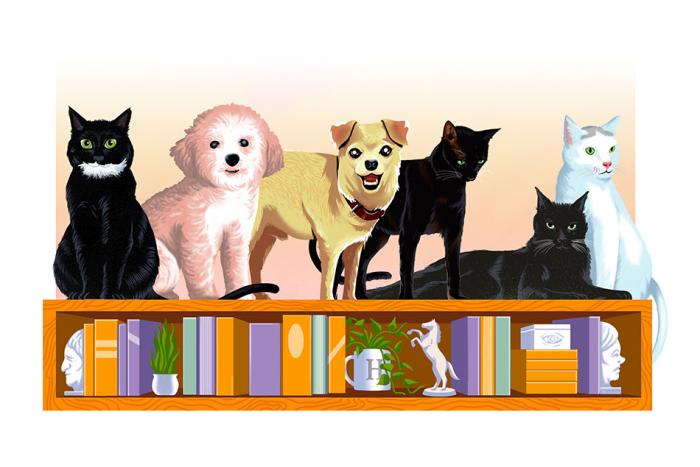
Congratulations to all the nominees!
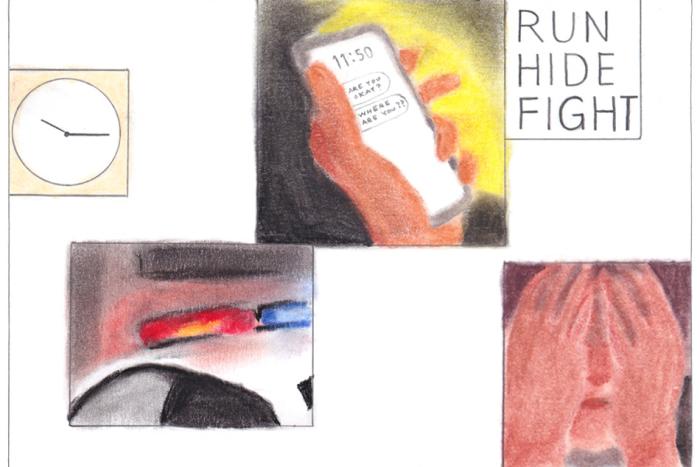
What does a campus shooting feel like?
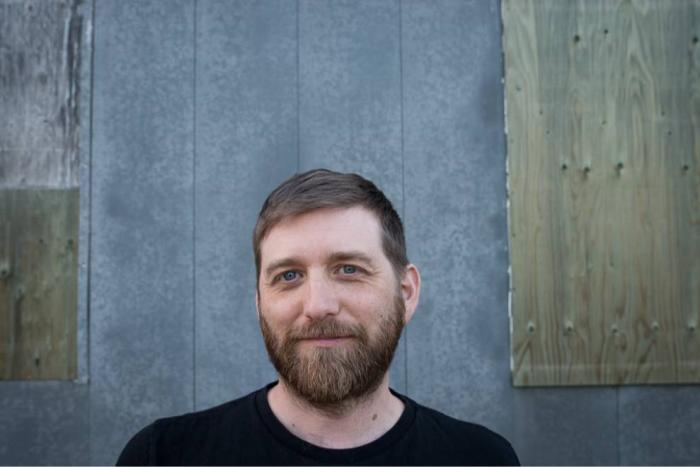
People love John Samson Fellows’s music. He doesn’t want to make it anymore.
Latest
Congratulations to all the nominees!
People love John Samson Fellows’s music. He doesn’t want to make it anymore.
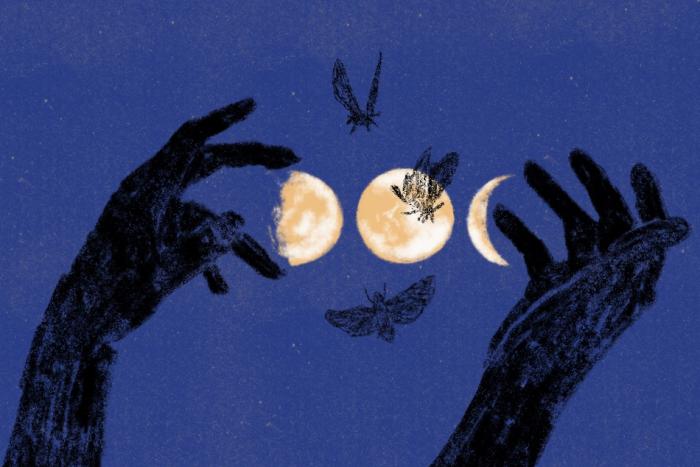
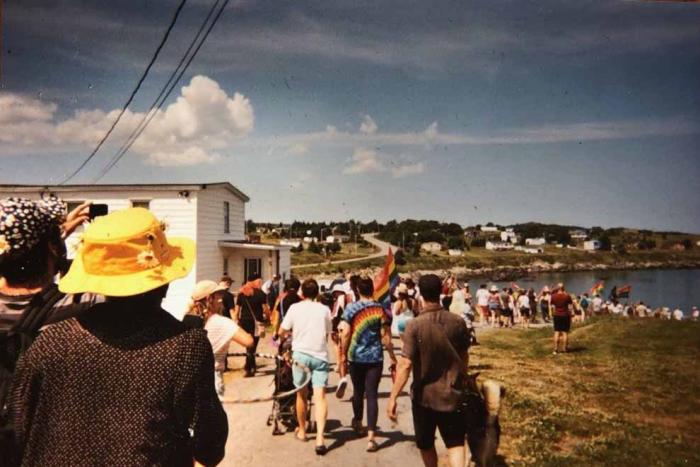
When Wanda bought the house, she didn’t imagine that anyone in the community would recognize that she and Lynn were queer.


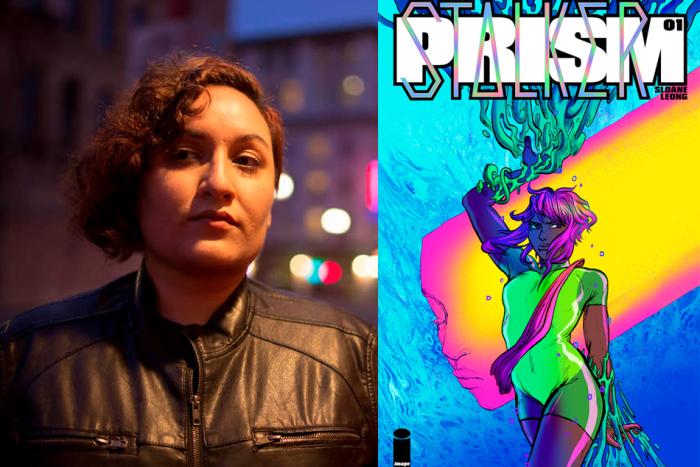
Talking to the creator of Prism Stalker about body horror, complicating stories of subjugation and colonialism, and finding inspiration in Sailor Moon.
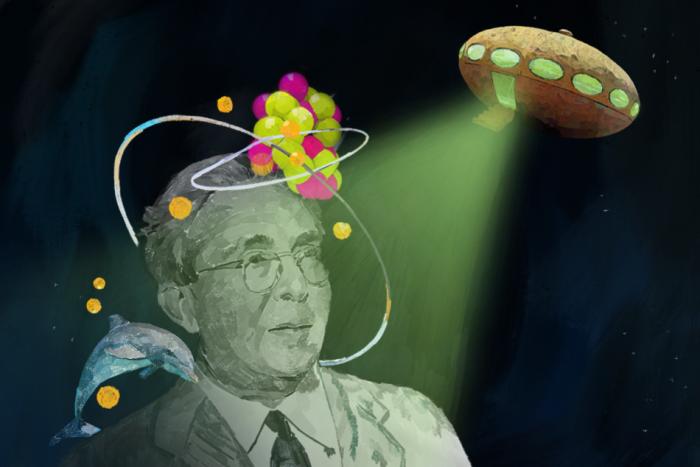
The dubious distinction, and literary legacy, of Leo Szilard, the physicist and writer "who did the most to create the atomic bomb, and the most to stop it."
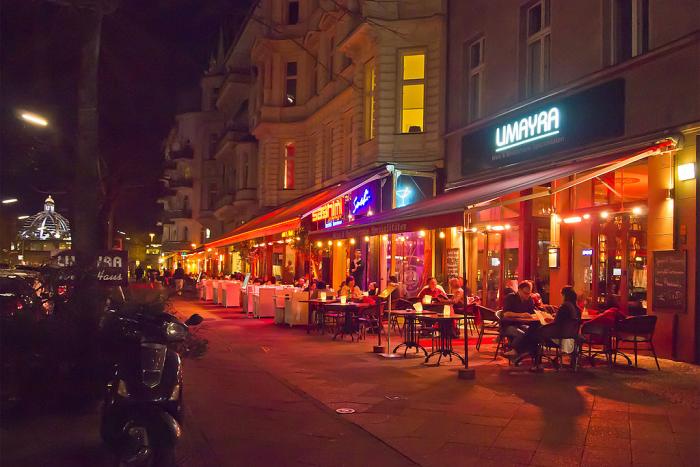
In Berlin, I watched us queer women watching each other. But nobody seemed to lead anyone inside. Could cruising ever be a part of lesbian culture the way it is for gay men?
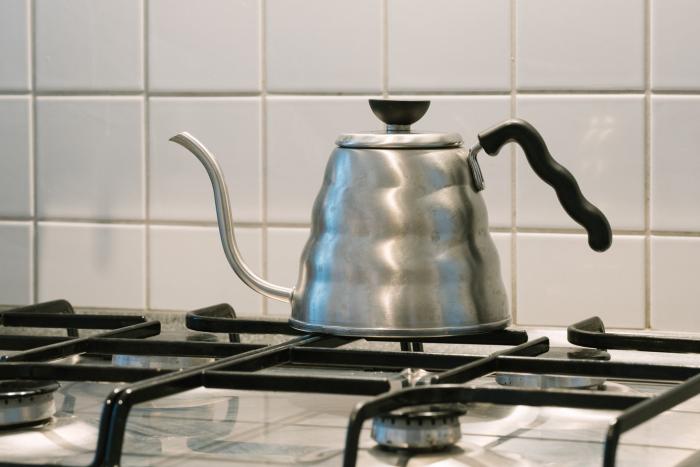
I figured an ideal period of mourning for my father would have been free of disturbances of my own creation. So much for that.
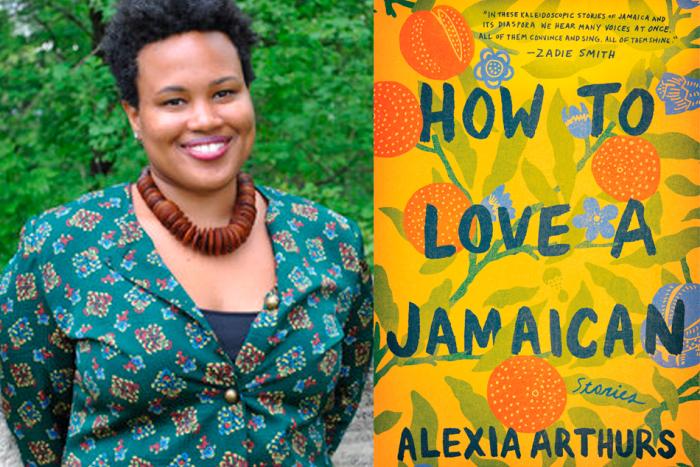
The author of How to Love a Jamaican on love in its various forms, finding belonging and mediating identity between and beyond borders.
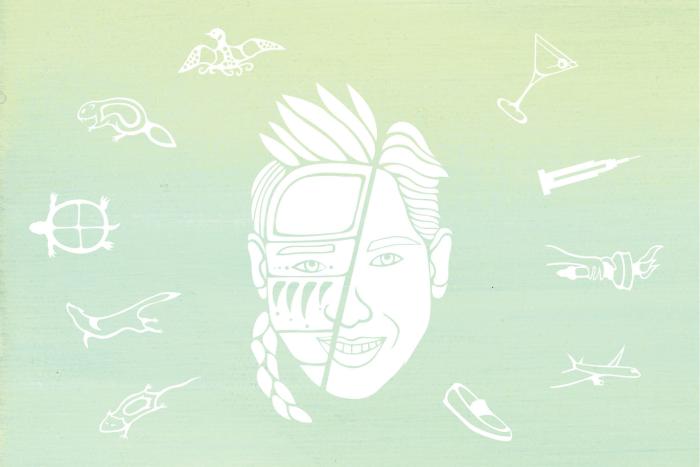
First Nations people don't believe in crossing the border, but the imaginary boundaries we're forced to move between can create very real divides.