Once upon a time two Hemingway admirers set out to meet their idol. What happened next helped make literary history.
Readings
The Latest
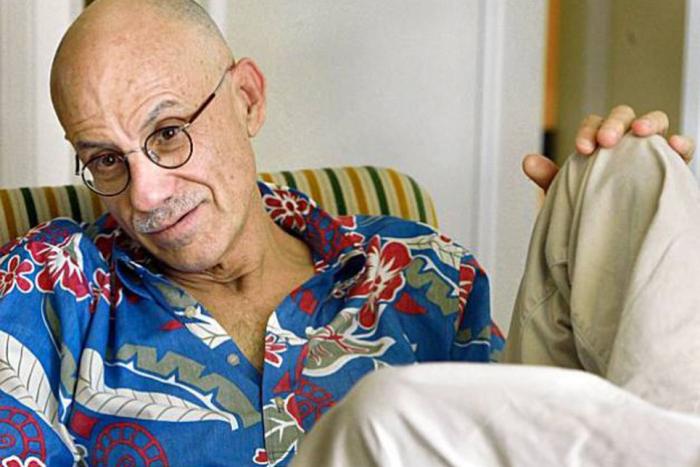
The third part in a series of chats with Calvin Trillin, the man who—among many other things—casts the U.S. presidential campaign in iambic pentameter. Discussed: the Romney-Obama debates, campaign media coverage, the 47 percent blues, the legacy of George McGovern, and how one actually becomes a "deadline poet."
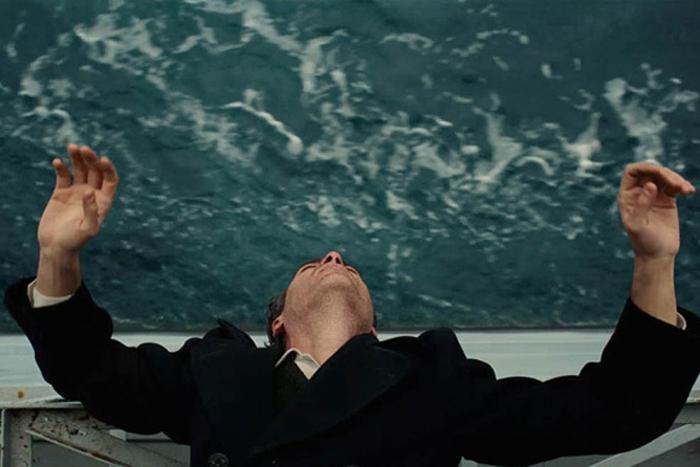
Over his thirty years of writing about film, including the landmark essay “White Elephant Art vs. Termite Art,” Manny Farber challenged the pretentions of art house cinema while celebrating the inventiveness of B-movies. Today, Farber's criticism deserves to be read as itself a kind of art.
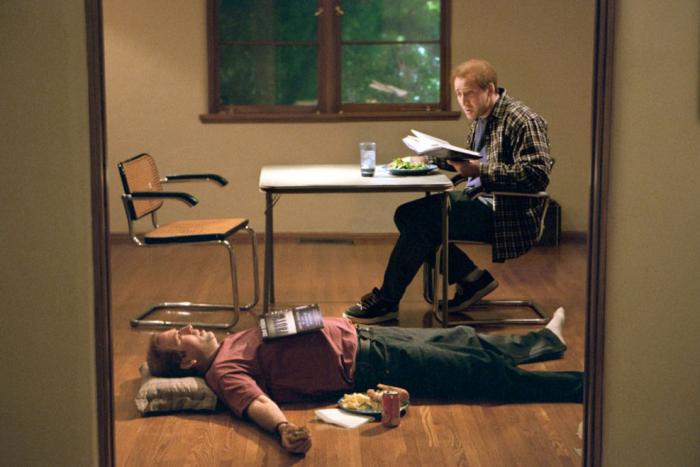
Screenwriting guru Robert McKee is seen as the patron saint of hack writing, the world's foremost proponent of writing-by-numbers. His influence even extends as far as public radio shows like Radiolab and This American Life, and novelists. But maybe McKee knows exactly what we need.
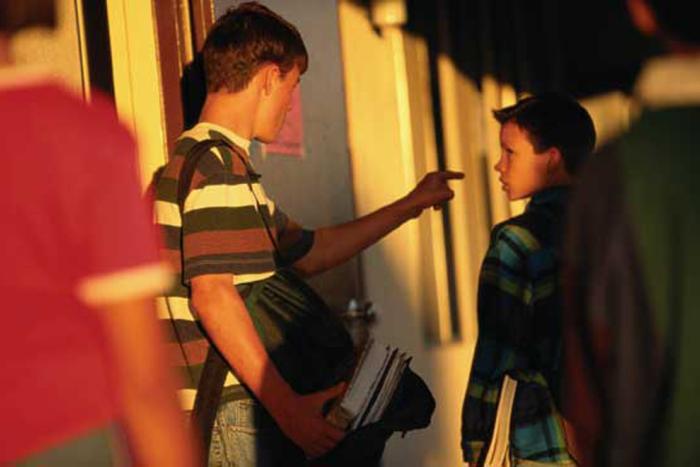
In Susin Nielsen's latest YA novel, The Reluctant Journal of Henry K. Larsen, a 13-year-old boy comes to grips with the aftermath of a school shooting. Nielsen talks to Hazlitt about bullying, getting her start on Degrassi Junior High, and unwittingly becoming a wrestling expert.
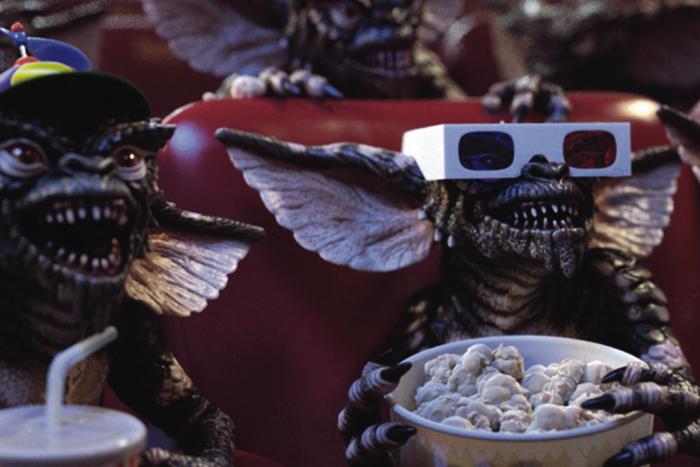
Children's literature, from Aesop to the Brothers Grimm and more recently Roald Dahl, has always operated in the realm of the grotesque. Re-watching the film Gremlins almost three decades later—its script very loosely descended from Dahl's first published story, and at the time of its release derided by critics for being excessively gross—is a reminder that what many kids will always love is simply good old fashioned mayhem.
Most Popular