
Congratulations to all the nominees!
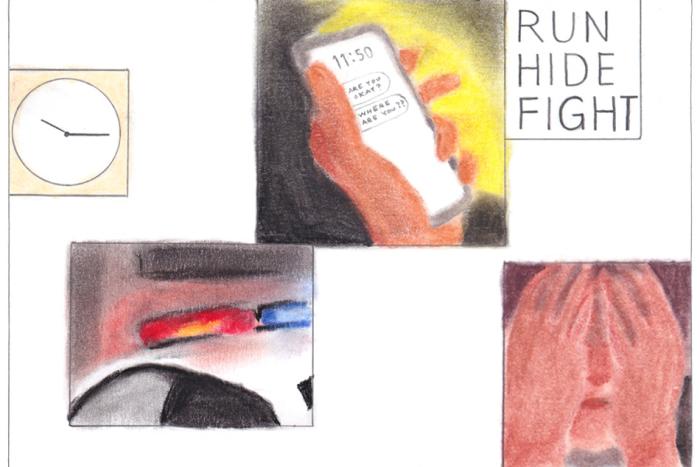
What does a campus shooting feel like?
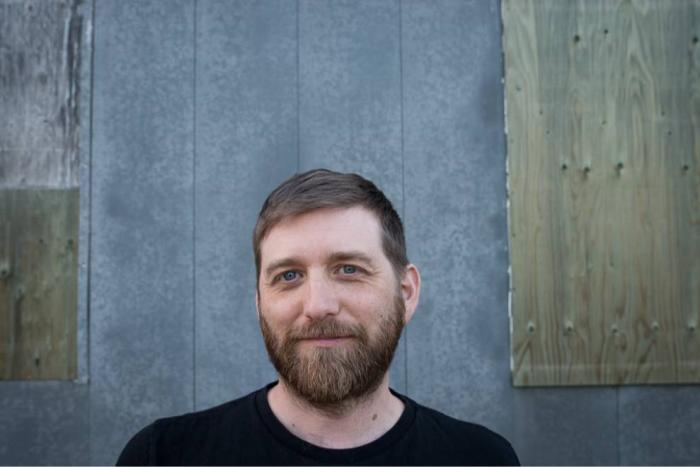
People love John Samson Fellows’s music. He doesn’t want to make it anymore.
Latest
Congratulations to all the nominees!
People love John Samson Fellows’s music. He doesn’t want to make it anymore.

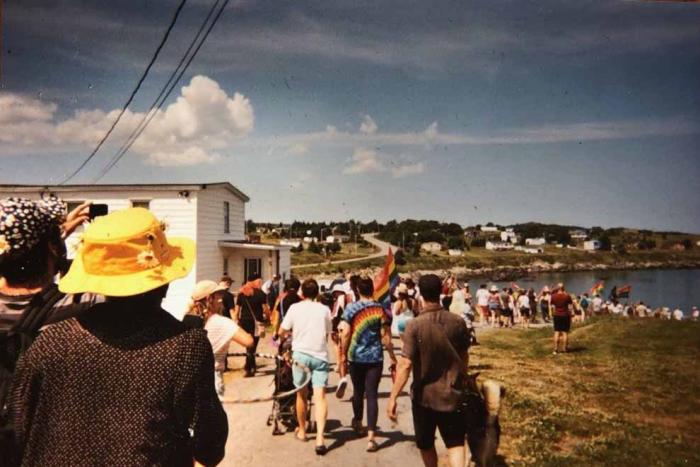
When Wanda bought the house, she didn’t imagine that anyone in the community would recognize that she and Lynn were queer.


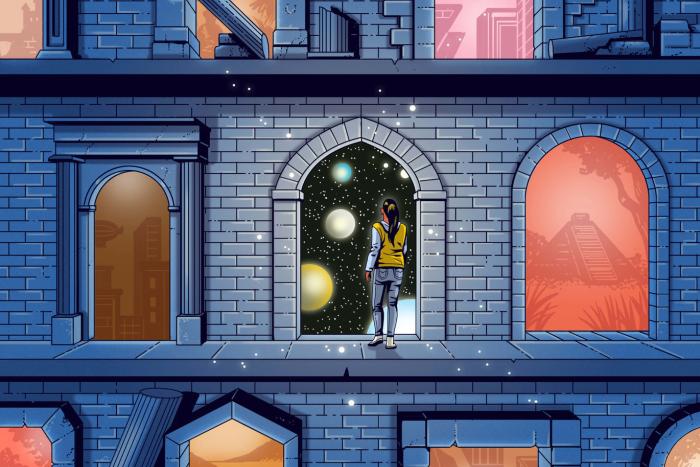
Race-based data has been collected in North America as far back as 1790. But what happens if you don't fit the categories society is trying to nudge you into?
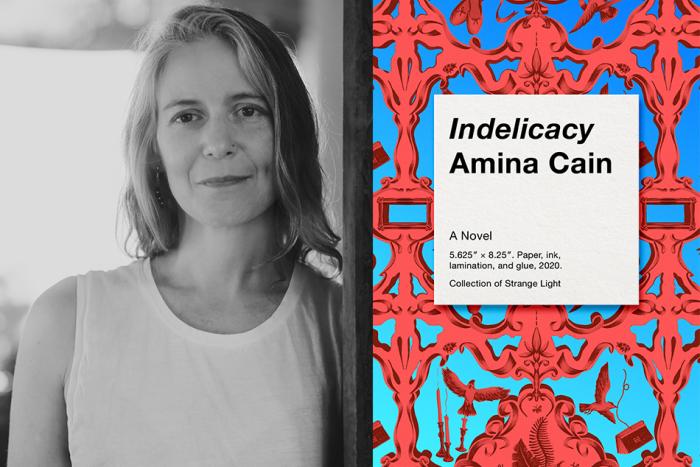
The author of Indelicacy on elitism, inspiration, and cleaning.
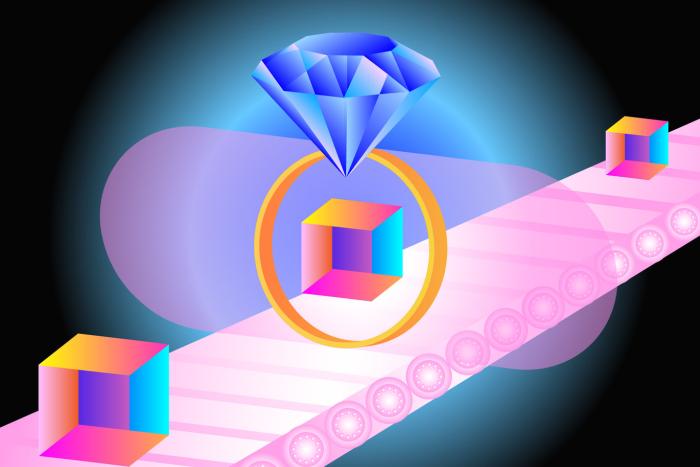
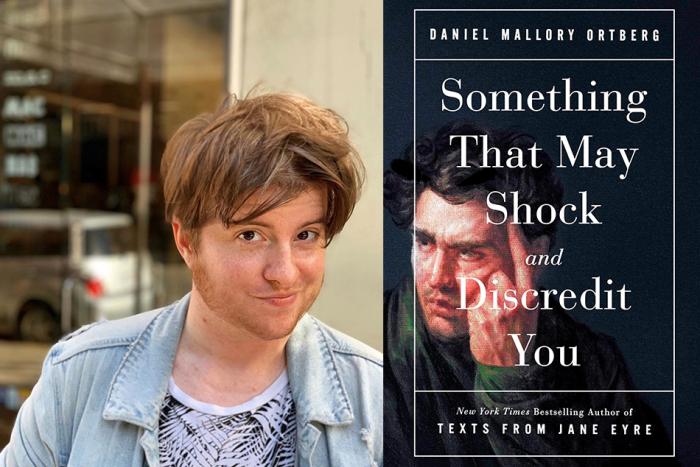
Talking to the author of Something That May Shock and Discredit You on the pressure put on trans memoirs, leaving the church, and the myth of an unblemished body to be defended.

What happened when four poets from Franco's Spain took their show on the road.