
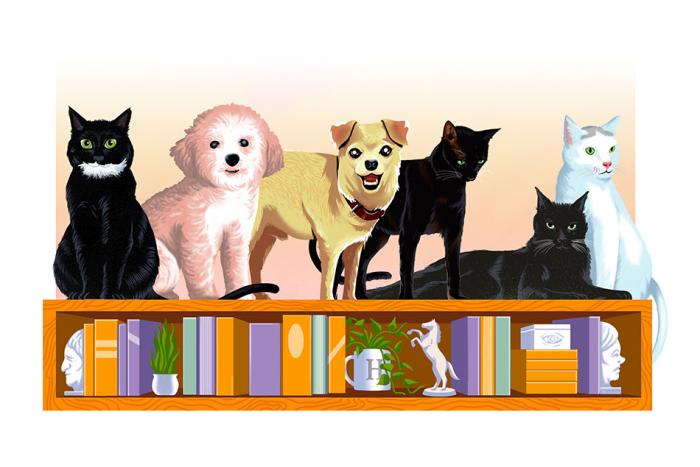
Congratulations to all the nominees!
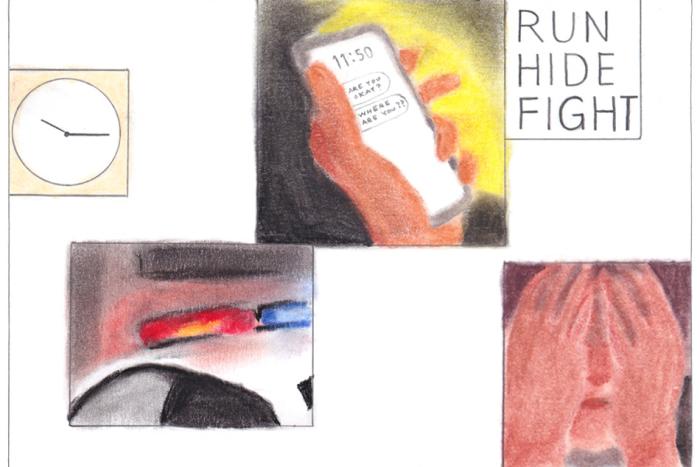
What does a campus shooting feel like?
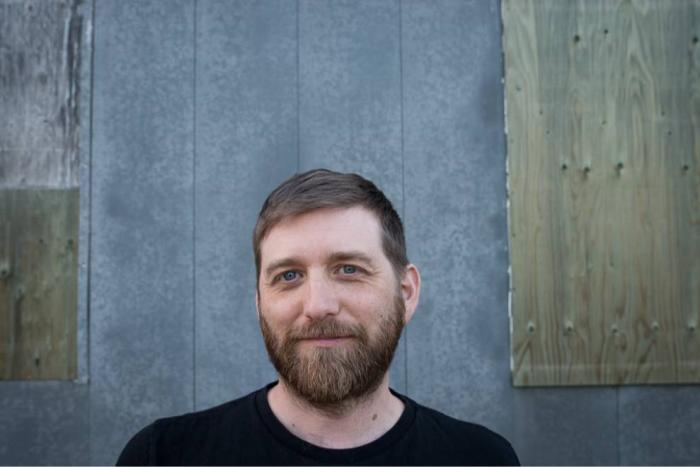
People love John Samson Fellows’s music. He doesn’t want to make it anymore.
Latest
Congratulations to all the nominees!
People love John Samson Fellows’s music. He doesn’t want to make it anymore.
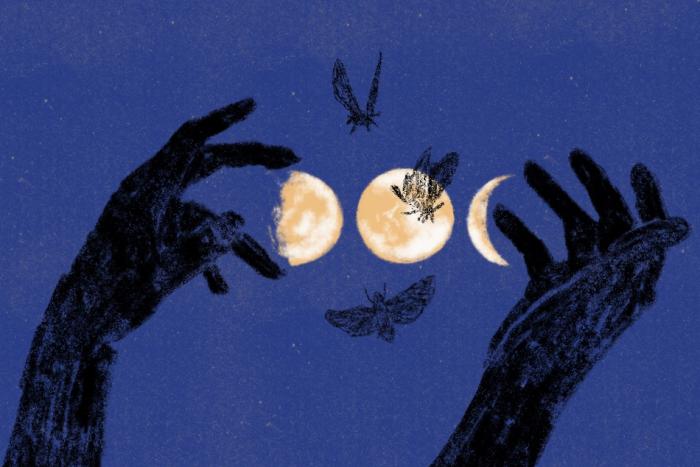
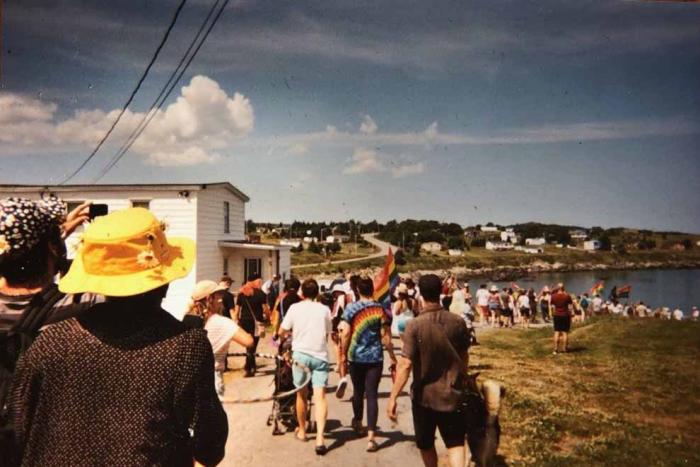
When Wanda bought the house, she didn’t imagine that anyone in the community would recognize that she and Lynn were queer.


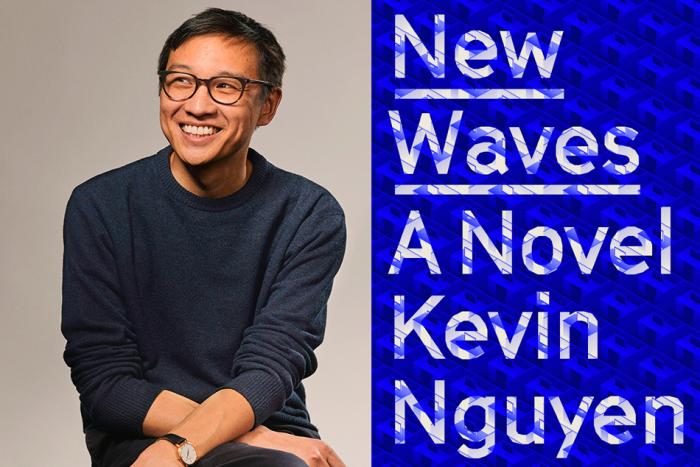
The author of New Waves on the internet, science fiction, and form.
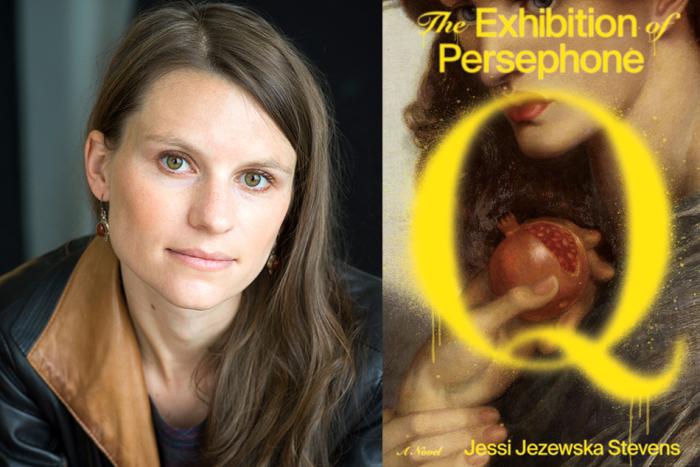
The author of The Exhibition of Persephone Q on navigating the early internet, the absence of ambition, and identity crises both large and small.
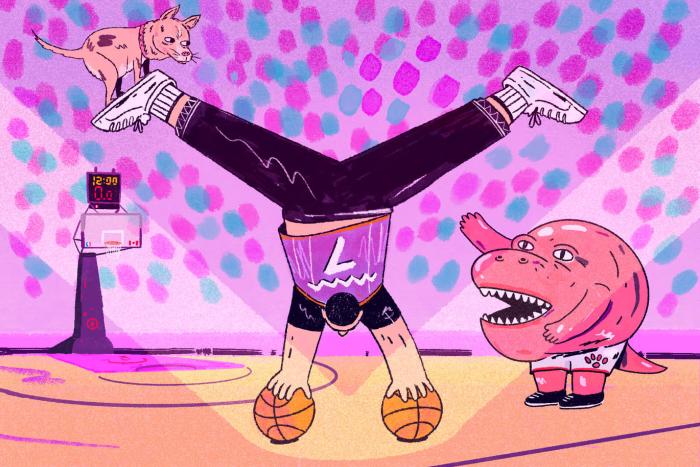
The NBA halftime show is a kind of Trojan horse—a secret, strange venue for performance art, hidden at the centre of one of our most mainstream entertainment juggernauts.
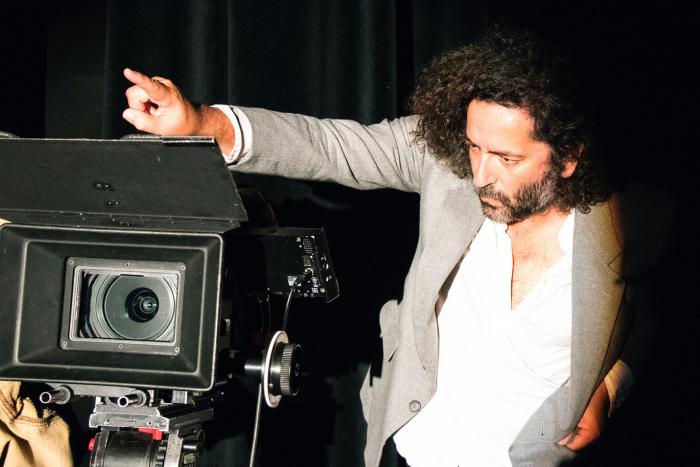
Talking to the Destroyer singer-songwriter about his new album, Have We Met, writing as an act of inspiration, and being a musician in middle age.
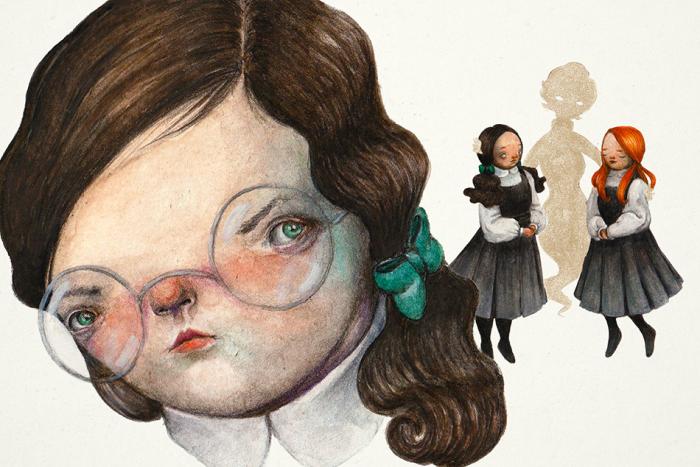
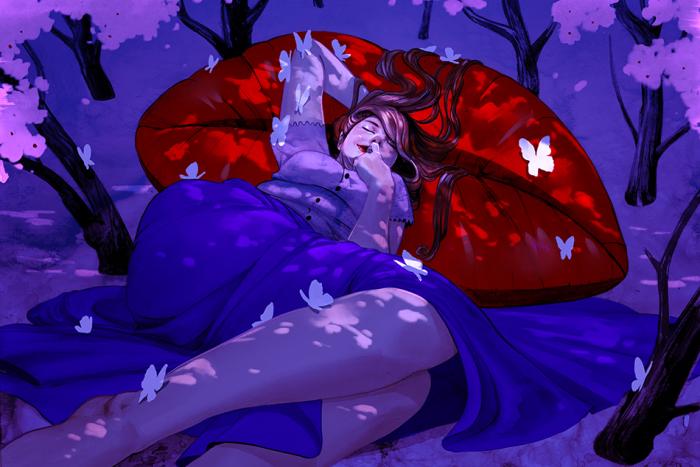
I have begun to obsess about this one kiss. A kiss. What the hell difference would a kiss make?