
Congratulations to all the nominees!
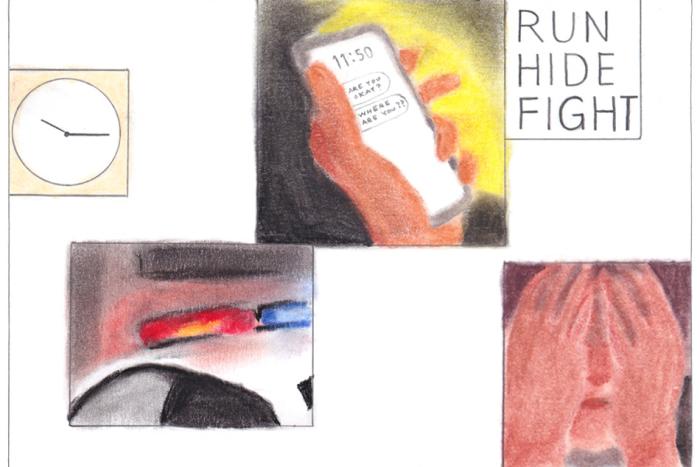
What does a campus shooting feel like?
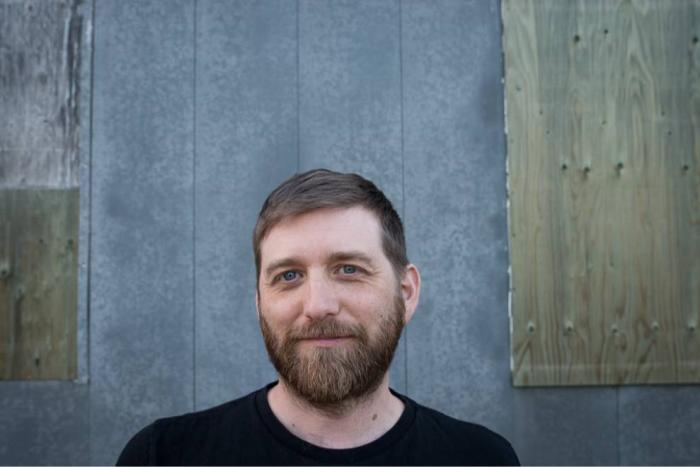
People love John Samson Fellows’s music. He doesn’t want to make it anymore.
Latest
Congratulations to all the nominees!
People love John Samson Fellows’s music. He doesn’t want to make it anymore.


When Wanda bought the house, she didn’t imagine that anyone in the community would recognize that she and Lynn were queer.


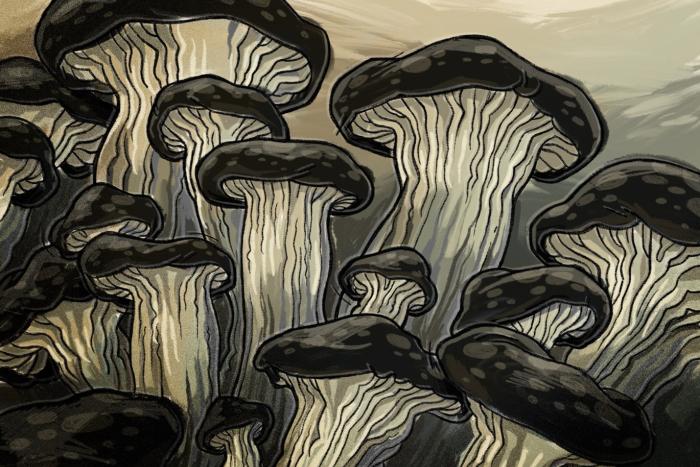
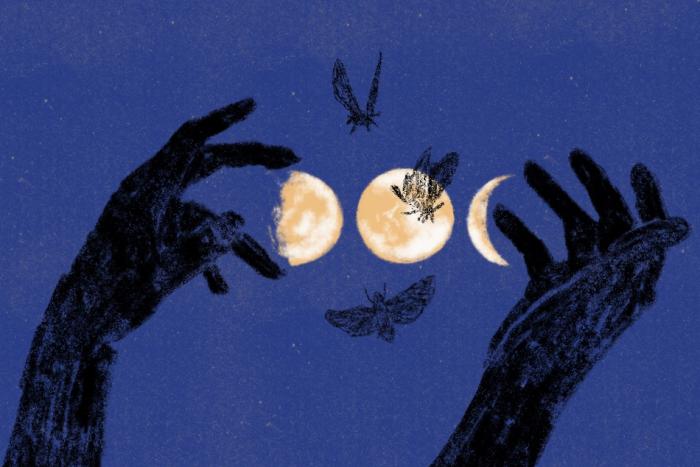
Some find comfort in conspiracy; I’ve found it in asking the same questions about plants and insects and mold my seven-year-old self might.
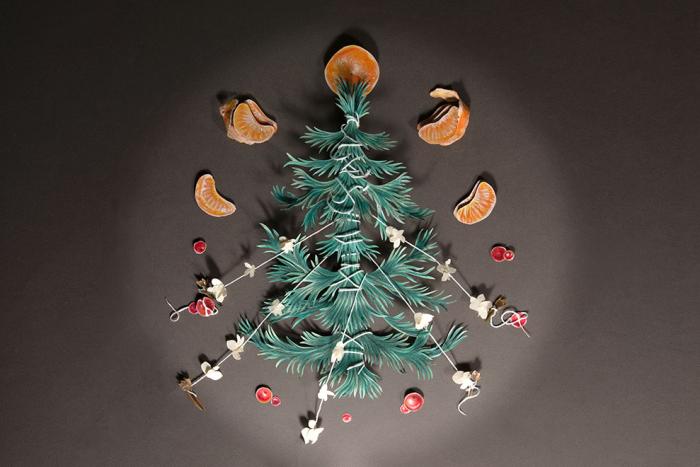
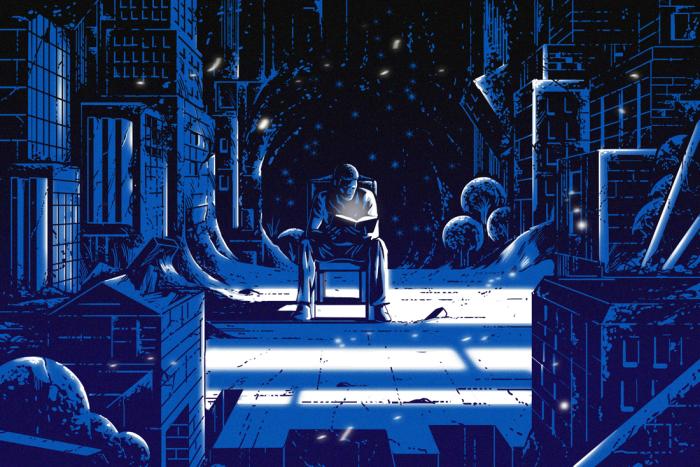
Why, a decade ago, did my father give me the heavy gift of a controversial 100-year-old Oswald Spengler tome? It took a pandemic for me to find out.
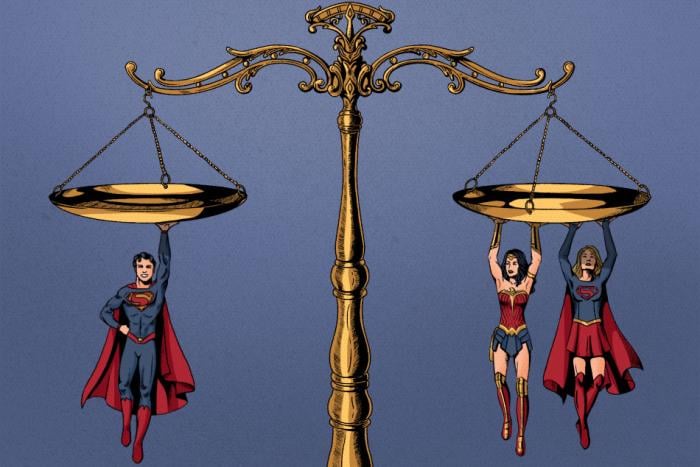

The author of Bestiary on mythmaking, how grossness co-exists with beauty, and changing your destiny.
During quarantine, I've been trying to remind myself that I've always been able to find inspiration for a better life.