
Congratulations to all the nominees!
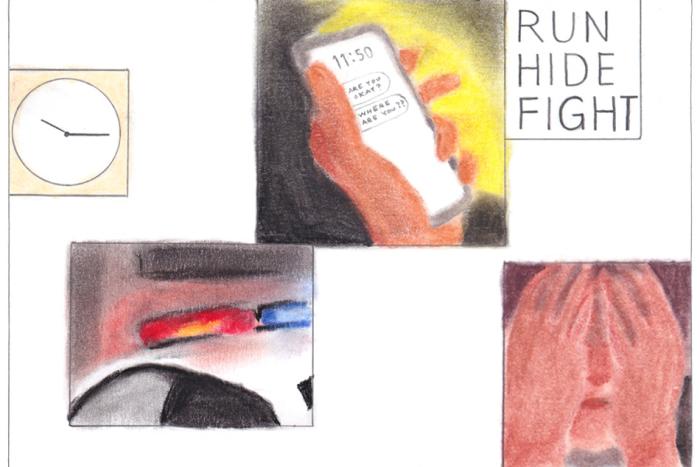
What does a campus shooting feel like?
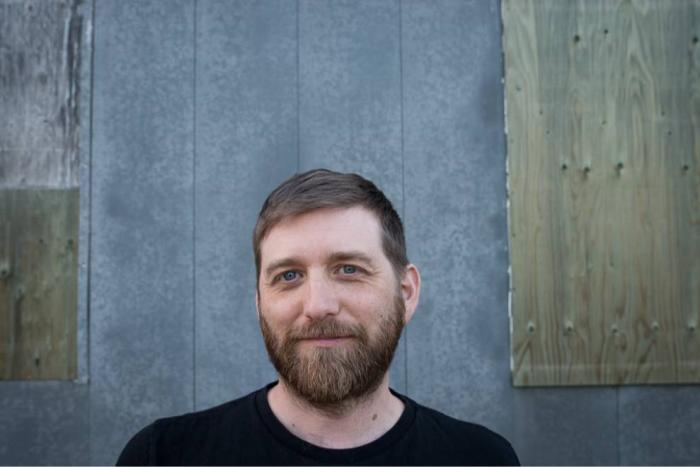
People love John Samson Fellows’s music. He doesn’t want to make it anymore.
Latest
Congratulations to all the nominees!
People love John Samson Fellows’s music. He doesn’t want to make it anymore.


When Wanda bought the house, she didn’t imagine that anyone in the community would recognize that she and Lynn were queer.


Congratulations to all the nominees!
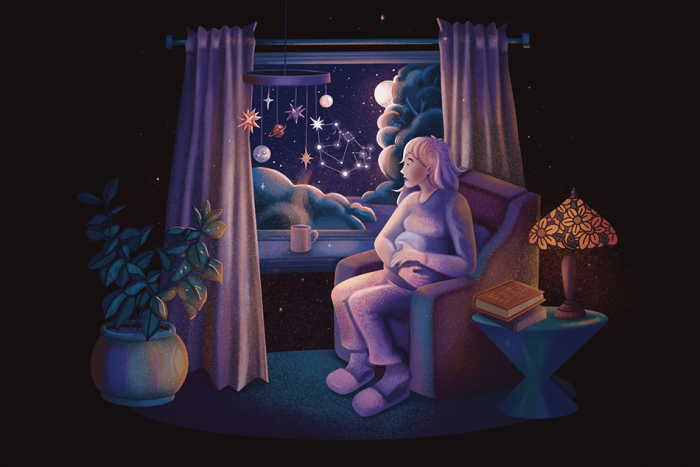
We have more tools than ever to tell us about our children before they're born. But disability screenings raise complicated—potentially dangerous—possibilities.
Congratulations to all the nominees!
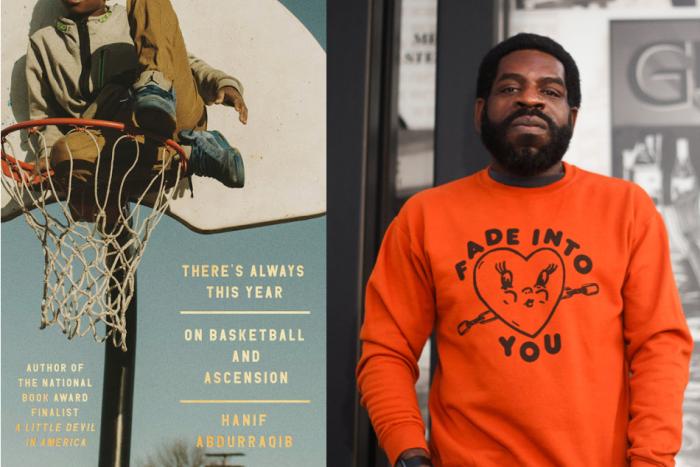
The author of There’s Always This Year on basketball, what drags him to the page, and the communal act of fasting.
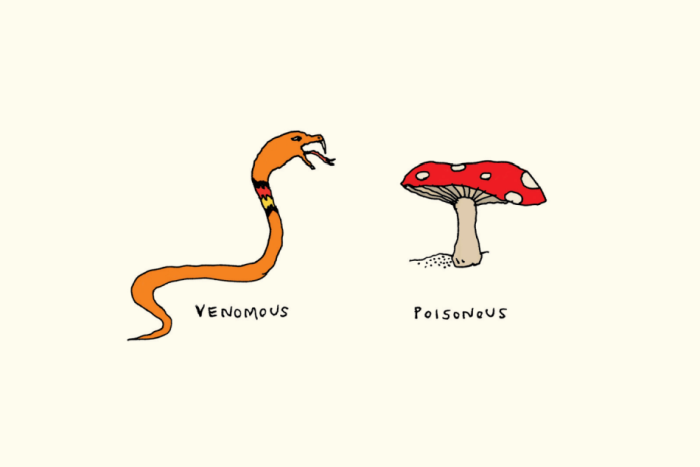
Probe all the nuances, niceties, and subtle shades of meaning your little heart desires.