
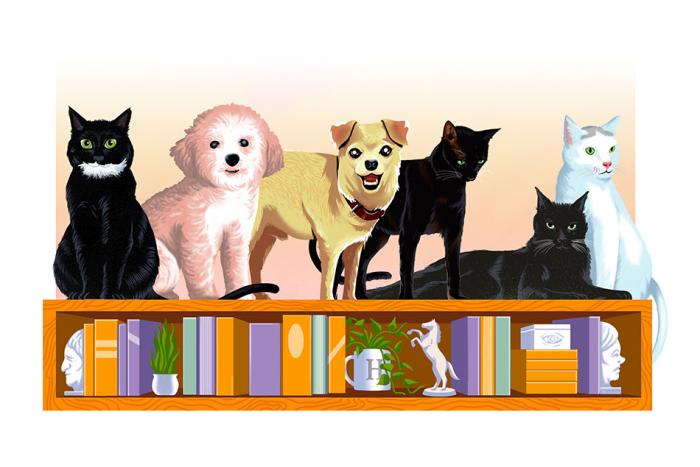
Congratulations to all the nominees!
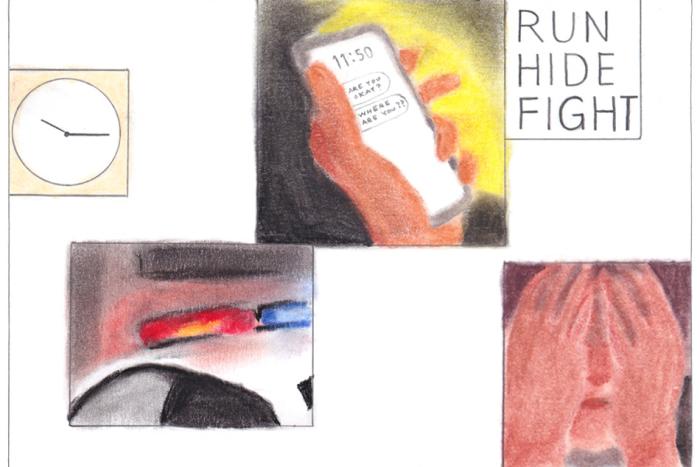
What does a campus shooting feel like?
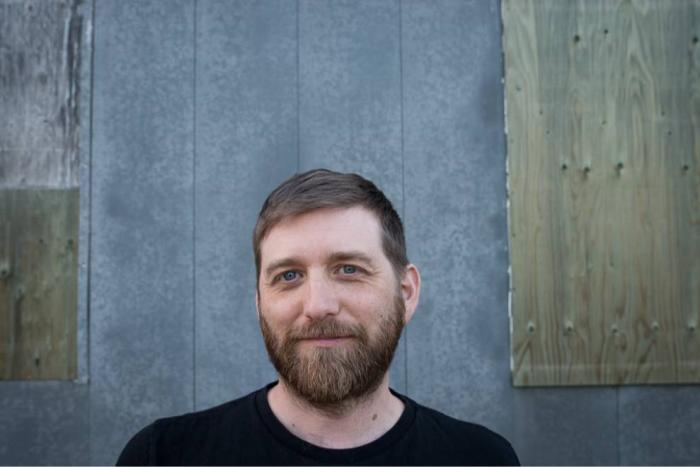
People love John Samson Fellows’s music. He doesn’t want to make it anymore.
Latest
Congratulations to all the nominees!
People love John Samson Fellows’s music. He doesn’t want to make it anymore.

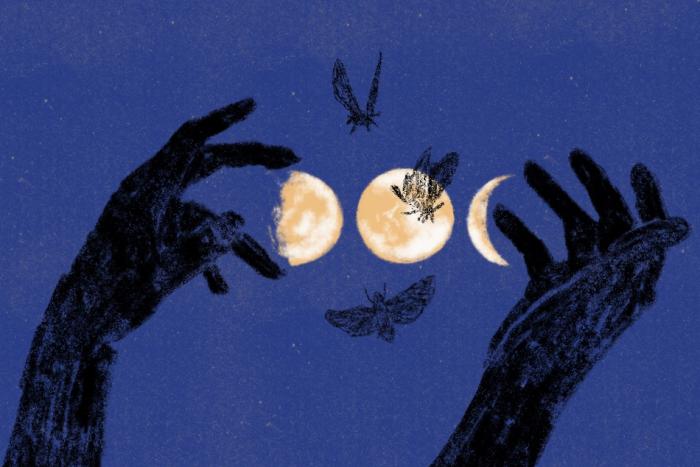
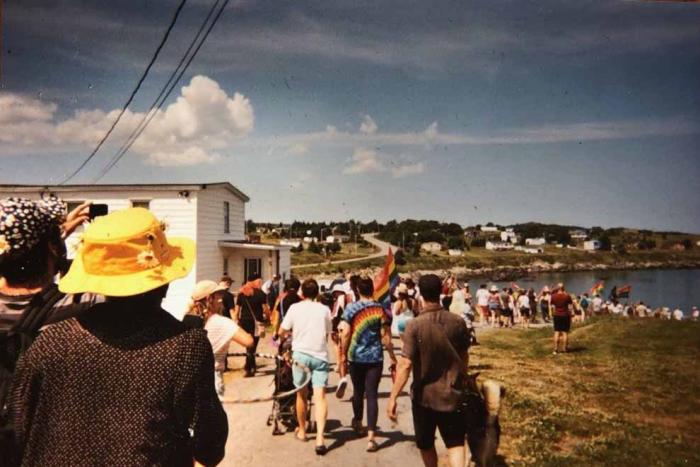
When Wanda bought the house, she didn’t imagine that anyone in the community would recognize that she and Lynn were queer.


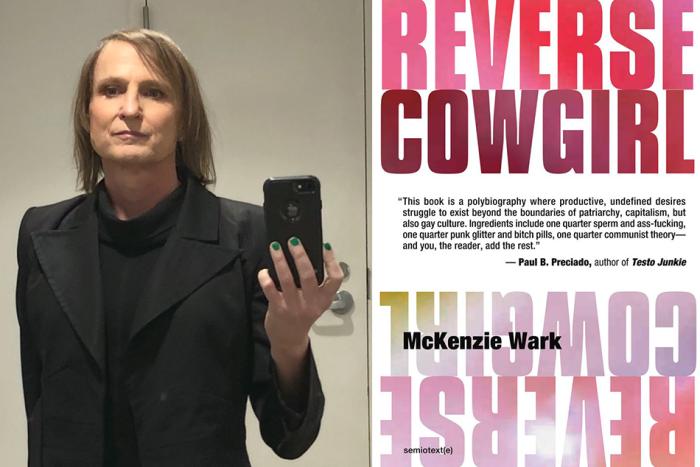
The author of Reverse Cowgirl on autofiction, an uneasy relation to place, and languages of sexuality.
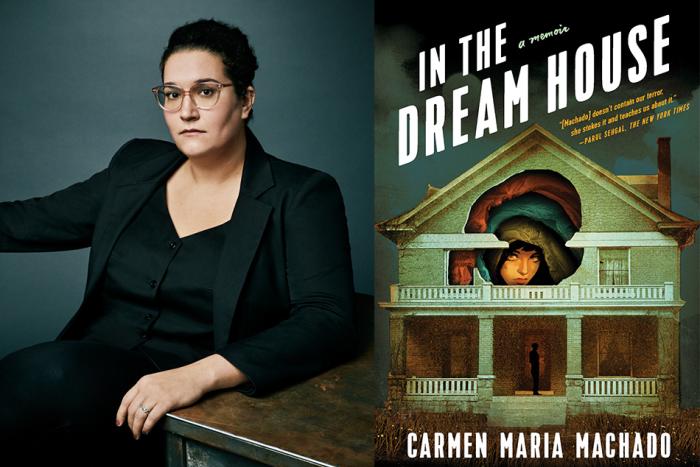
The author of In the Dream House on gaslighting, the lack of institutional capacity for change, and formal experimentation.

The author of Cherry Beach on exploring different ways of being, becoming comfortable with open-endedness, and putting yourself out there.

I see now that I’m synecdochic for every institution she’s felt pinched by, every older person she’s felt used by. She wants to summon what little power she has left and ruin.
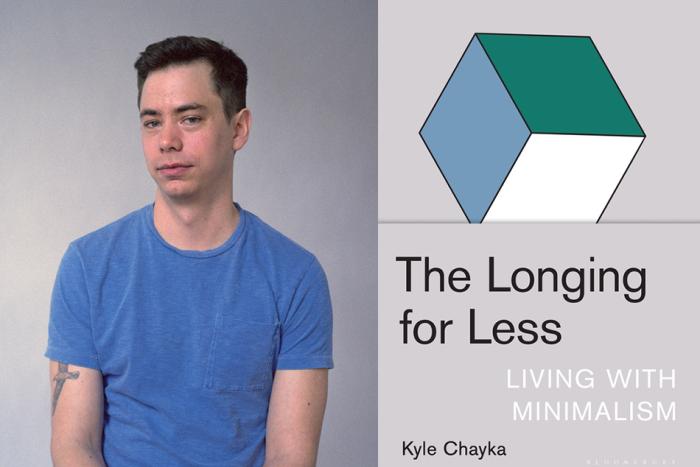
The author of The Longing for Less on minimalism as an inherent judgment, the aesthetics of community, and why he’s hesitant to identify as a minimalist himself.
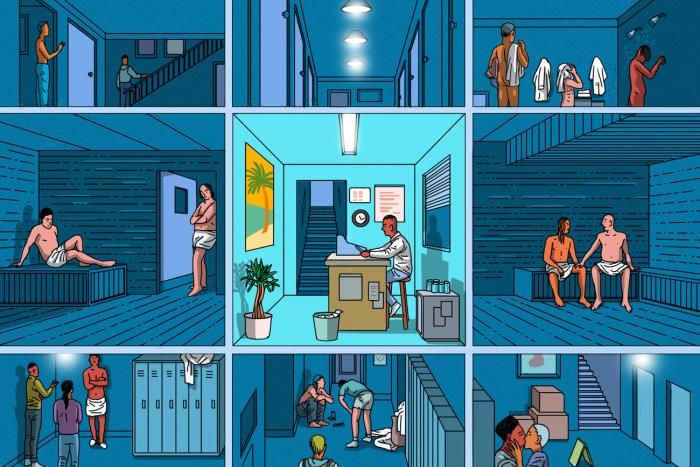
There was, I thought, a type of man who’d frequent a bathhouse. This turned out to be ignorance.