
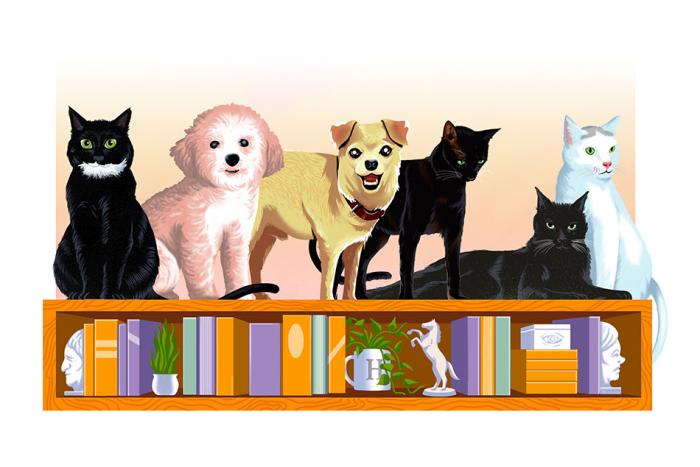
Congratulations to all the nominees!
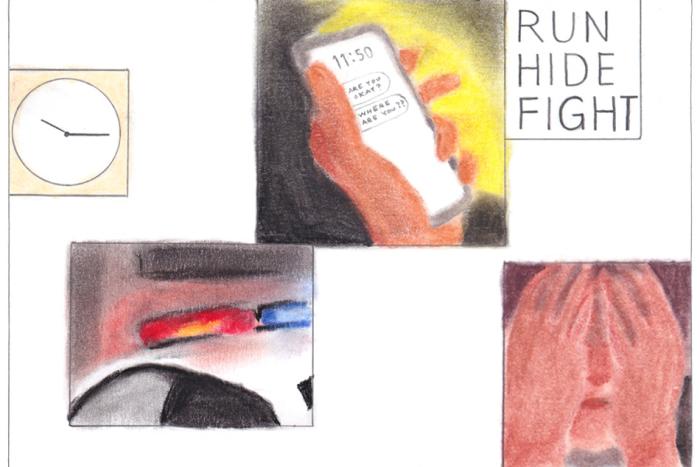
What does a campus shooting feel like?
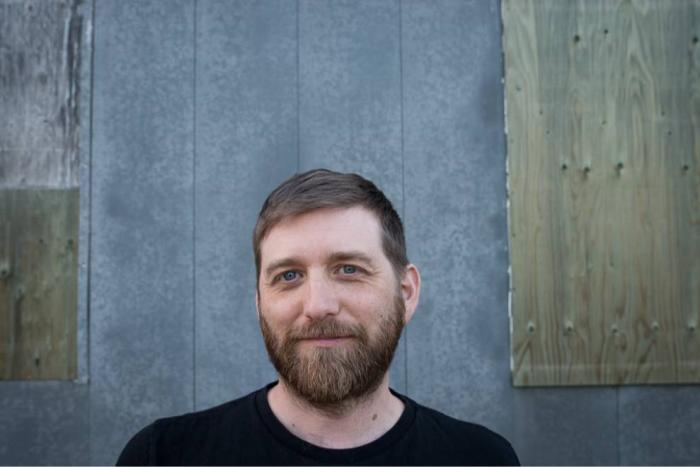
People love John Samson Fellows’s music. He doesn’t want to make it anymore.
Latest
Congratulations to all the nominees!
People love John Samson Fellows’s music. He doesn’t want to make it anymore.
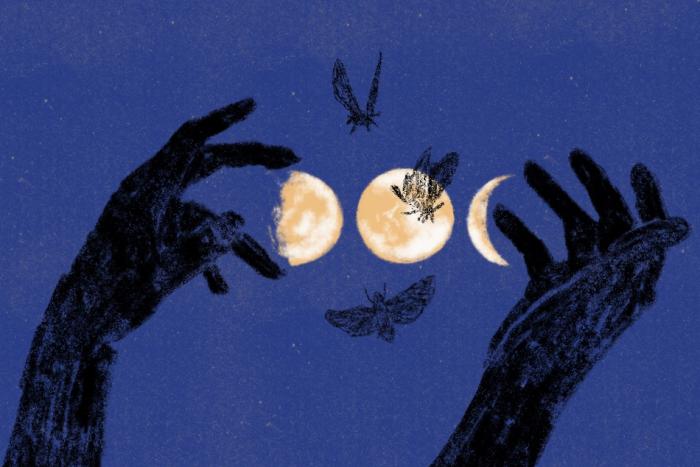
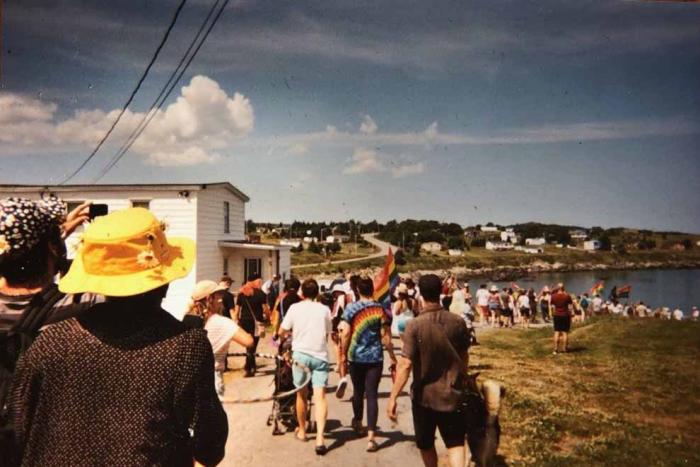
When Wanda bought the house, she didn’t imagine that anyone in the community would recognize that she and Lynn were queer.


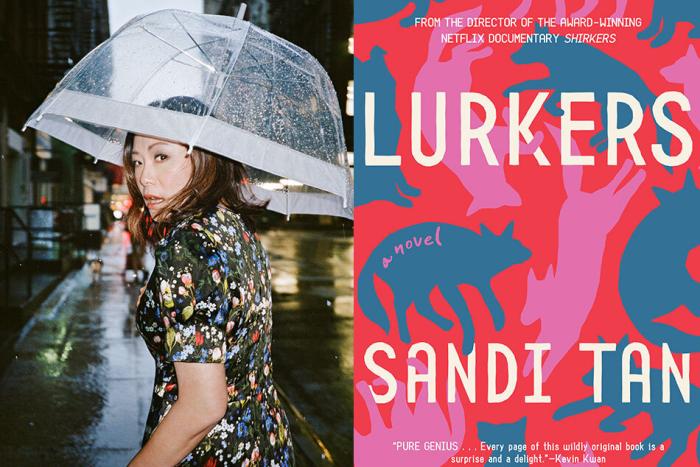
The author of Lurkers on growing up in Singapore, thought experiments, and falling out of narrative.
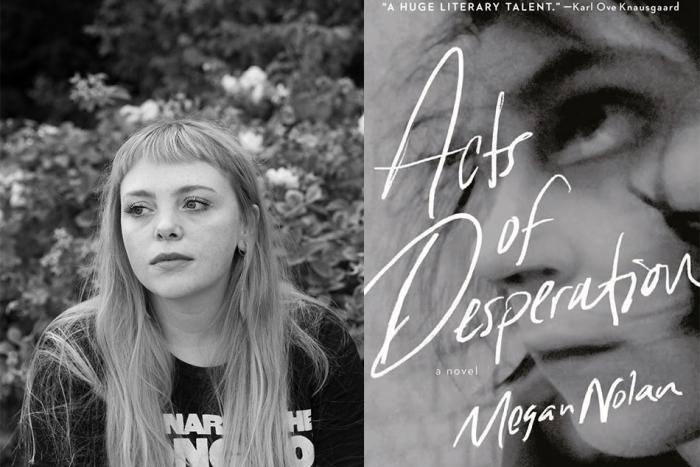
The author of Acts of Desperation on labels flattening experience, toxic relationships, and writing through pain.
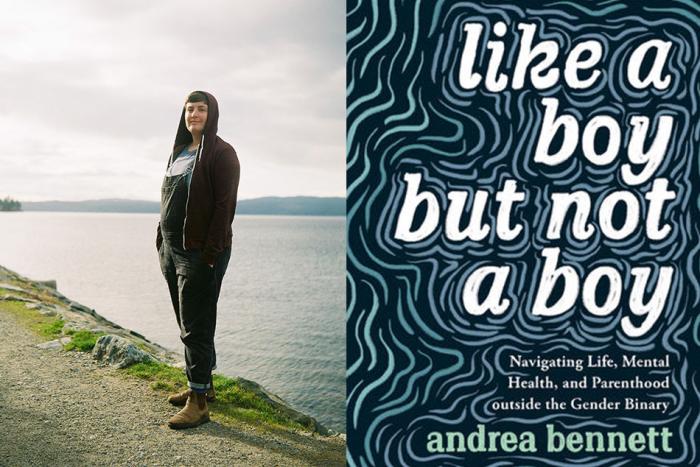
The author of Like a Boy but Not a Boy on overalls, gender binaries, and Kim Kardashian.
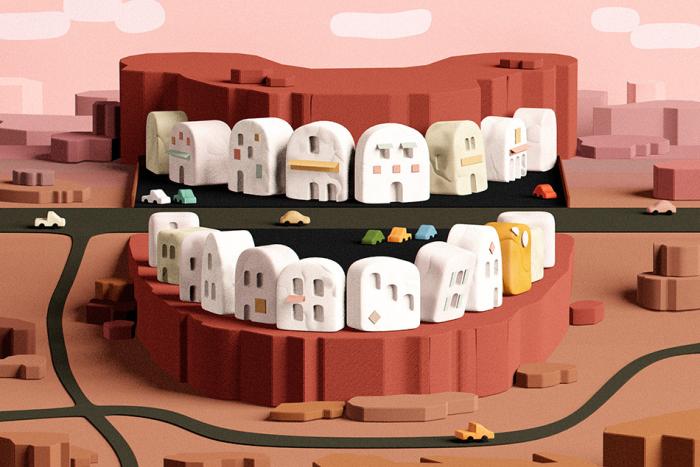
It’s hard to imagine how truly full of dentists Los Algodones is. They are everywhere.
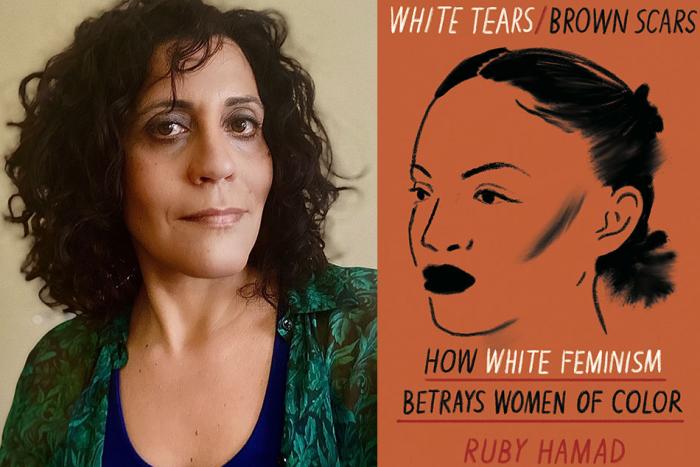
The author of White Tears/Brown Scars on white feminism, neo-imperialism, and white women as instruments of power.
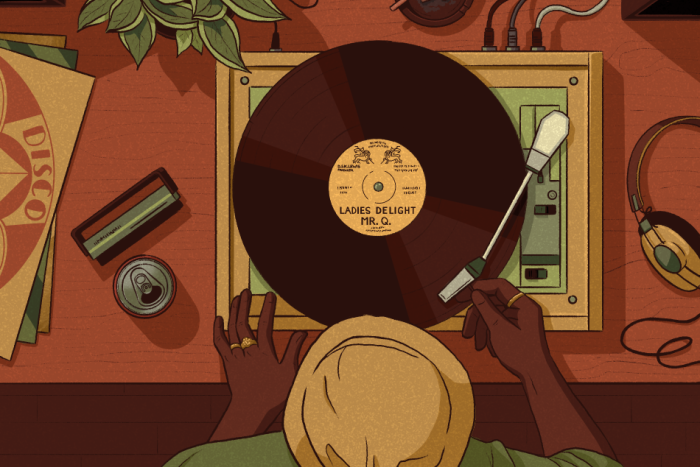
The search for the man behind the first Canadian hip hop single reveals the inequity in how creative contributions are remembered.